
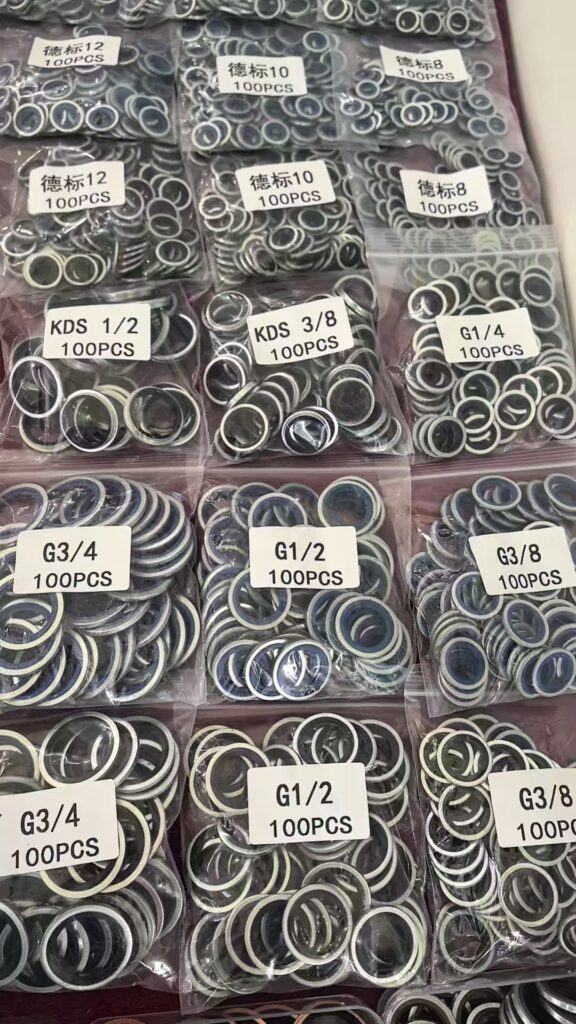
Understanding Combination Gaskets: A Critical Component in Industrial Sealing
In modern industries, gaskets are essential sealing elements used in piping systems, machinery, and various sealing applications. Among these, combination gaskets stand out due to their innovative design, effectively meeting the demands of many complex applications. This article delves into the definition, working principle, applications, and significance of combination gaskets in contemporary industrial settings.
What is a Combination Gasket?
As the name suggests, a combination gasket is a sealing component made from a combination of different materials. These materials typically include metals, non-metals, rubber, and other specialized substances. Through precise design and manufacturing, combination gaskets provide sealing performance superior to that of single-material gaskets. They are often used in high-temperature, high-pressure environments where conventional gaskets may fail, offering enhanced safety and stability to industrial equipment.
How Do Combination Gaskets Work?
The working principle of combination gaskets is based on the sealing and elastic properties of their materials. The combination of materials allows the gasket to perform optimally under varying temperature and pressure conditions. Metal layers generally provide robust structural support and resistance to high temperatures and corrosion, while non-metal layers (such as graphite, rubber, etc.) contribute excellent elasticity and sealing capability. The multi-material design ensures that the combination gasket adapts effectively to the complex and demanding working environments it is placed in.
Applications of Combination Gaskets
Combination gaskets are widely used across various industries, particularly in the following fields:
- Oil and Gas Industry: In pipeline connections and equipment sealing, combination gaskets can withstand extreme temperature and pressure conditions, preventing leakage of gases or liquids.
- Chemical Industry: Chemical processing equipment is often exposed to corrosive substances, and combination gaskets provide effective sealing to prevent leaks and environmental contamination.
- Automotive Industry: In engines and exhaust systems, combination gaskets play a crucial role in ensuring the proper sealing of mechanical components, contributing to the vehicle’s overall performance.
- Power Generation: In power generation facilities, combination gaskets are widely used in high-temperature steam pipes and pressure vessels to maintain secure seals under operational stress.
Advantages of Combination Gaskets
- High-Temperature and High-Pressure Resistance: The multi-layered design of combination gaskets allows them to maintain reliable sealing performance in extreme heat and pressure conditions, making them ideal for challenging environments.
- Corrosion Resistance: With the use of materials that are resistant to chemical corrosion, combination gaskets provide protection against the degradation caused by corrosive media, increasing their lifespan.
- Customizability: Combination gaskets can be customized with different material combinations to meet specific sealing requirements, making them versatile for a wide range of industrial applications.
Conclusion
Combination gaskets, as a highly effective sealing technology, have proven indispensable across many industrial sectors. With ongoing advancements in materials and design, combination gaskets continue to evolve, addressing increasingly complex operational challenges and demanding performance standards. Choosing the right combination gasket can significantly enhance equipment reliability, improve safety, and reduce maintenance and replacement costs.